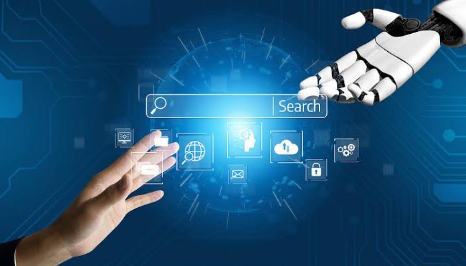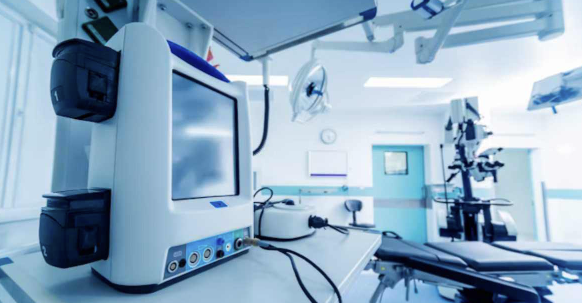
Technology has significantly reshaped modern healthcare systems. Tools like telemedicine enable remote consultations, enhancing patient access. Electronic Health Records streamline data management, fostering better communication among providers. Meanwhile, wearable technology offers real-time health monitoring, promoting tailored care. Despite these advancements, challenges such as data security and interoperability remain pressing concerns. Understanding how these elements interconnect is crucial for realizing the full potential of technology in healthcare. What solutions might emerge to address these challenges?
The Role of Telemedicine in Patient Care
As healthcare systems increasingly embrace technological advancements, telemedicine has emerged as a pivotal tool in enhancing patient care.
This innovative approach facilitates remote consultations, allowing patients to access medical expertise without geographical constraints.
By improving patient accessibility, telemedicine breaks down barriers to healthcare, empowering individuals to seek timely medical advice.
Consequently, it fosters a more equitable and efficient healthcare landscape, aligning with the principles of freedom and autonomy.
How Electronic Health Records Improve Efficiency
Telemedicine’s integration into healthcare has set the stage for further advancements, particularly in the realm of Electronic Health Records (EHRs).
EHRs enhance efficiency by centralizing patient data, allowing for seamless information sharing among healthcare providers. This accessibility fosters workflow optimization, reducing redundancies and streamlining processes.
Consequently, healthcare professionals can focus more on patient care, enhancing overall service delivery and patient outcomes.
Wearable Health Technology: Monitoring and Management
Although traditional healthcare models have often relied on in-person consultations, the rise of wearable health technology has revolutionized patient monitoring and management.
Fitness trackers empower individuals to actively engage in their health, providing real-time data on vital signs and activity levels.
This technological advancement enhances chronic disease management, allowing for timely interventions and personalized care, ultimately fostering greater autonomy and improved health outcomes.
See also: Technology in Mars Exploration Projects
The Challenges of Integrating Technology in Healthcare
The integration of wearable health technology into modern healthcare systems presents numerous challenges that must be addressed for successful implementation.
Key issues include data security, as sensitive health information is at risk of breaches, and interoperability issues, which hinder seamless communication between diverse systems.
Overcoming these barriers is essential to harness the full potential of technology in enhancing patient care and promoting healthcare freedom.
Conclusion
In conclusion, the integration of technology in modern healthcare systems stands as a beacon of innovation, illuminating pathways to improved patient care and efficiency. Telemedicine bridges distances, EHRs streamline data management, and wearable devices empower proactive health monitoring. Yet, the journey is not without obstacles; data security and interoperability remain formidable challenges. As healthcare continues to evolve, addressing these issues will be pivotal in unlocking the full potential of technological advancements, ultimately transforming the patient experience.