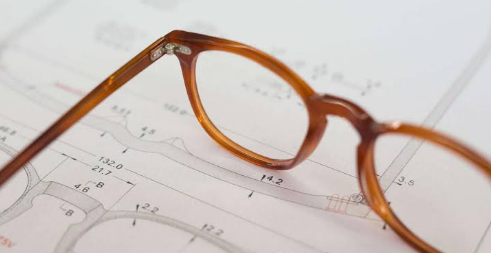
Most people wear glasses every single day without ever thinking about what they’re actually made of. You put them on in the morning, adjust them a few times throughout the day, and take them off at night — but how often do you stop to consider the engineering behind that simple object sitting on your face? Glasses are more complex than they look, and understanding their structure can help you make smarter choices when it’s time to buy a new pair.
Whether you’re shopping for your first pair of prescription glasses or you’re just curious about the components keeping your lenses in place, this guide breaks down every essential part of eyeglass frames and explains why each one matters.
Why Frame Structure Actually Matters
Before diving into the individual components, it’s worth understanding why this knowledge is useful in the first place. Glasses aren’t a one-size-fits-all product. The way a frame is built directly affects comfort, durability, and how well your glasses perform throughout the day. A poorly designed frame can slip down your nose, pinch behind your ears, or simply feel unbalanced. Knowing the parts of glasses gives you the vocabulary to describe problems to an optician, evaluate quality before purchasing, and even troubleshoot minor issues at home.
The Front Frame: Where It All Begins
The front frame is the part that holds your lenses and sits across your face. It typically consists of three main sections:
Rims are the outer edges that surround and secure each lens. Full-rim glasses wrap completely around the lens, while half-rim or rimless styles use less material, often relying on a thin wire or drilled mounting instead.
The bridge connects the two lenses together and rests on your nose. This small piece carries a surprising amount of responsibility, since it determines how the weight of the glasses is distributed and how the frame sits relative to your eyes.
Lens openings, sometimes called eye wires, are shaped specifically to match the lenses they hold. Their shape is one of the biggest factors influencing the overall look of a pair of glasses, whether you prefer round, square, cat-eye, or aviator-style openings.
Temples: The Arms That Keep Glasses in Place
The temples, or “arms,” extend from the front frame back toward your ears. They play a critical role in stability. A good temple length ensures the glasses don’t constantly slide forward, while proper width prevents pinching at the temples of your head (the body part, not to be confused with the frame component sharing the name).
Most temples include a slight curve or bend near the end, known as the temple tip, which hooks gently behind the ear for added grip. Some styles use spring hinges here, allowing the temple to flex outward slightly for a more comfortable, adjustable fit.
Hinges: Small Parts, Big Function
Hinges connect the temples to the front frame, allowing your glasses to fold for storage and adjust slightly to fit your head shape. While they’re often overlooked, hinges are one of the most failure-prone parts of any pair of glasses. Standard hinges are fixed, while spring hinges add flexibility and tend to last longer because they absorb stress instead of transferring it directly to the screws.
If you’ve ever had a pair of glasses that felt loose or wobbly after a year or two, worn-out hinges are usually the culprit.
Nose Pads: Comfort Where It Counts
Nose pads are the small cushions (or built-in plastic ledges, in some frame styles) that rest on either side of your nose bridge. Their job is to distribute weight evenly and prevent the frame from sliding down your face. Adjustable nose pads, common in metal frames, can be bent slightly to improve fit, while frames without separate nose pads rely entirely on the shape of the bridge itself.
People with oily skin or those who sweat frequently often find that silicone nose pads offer better grip than harder plastic alternatives.
Lenses: The Functional Core
While the frame gets most of the attention, the lenses are the actual reason glasses exist. Lenses are held securely within the rims and can be customized for different needs, including single vision, bifocal, or progressive corrections. The material, coating, and curvature of a lens all affect clarity, durability, and comfort, making this component just as important as the frame surrounding it.
Putting It All Together
Each of these components works in harmony. A frame might look stylish, but if the hinges are weak or the nose pads don’t fit your face shape, comfort will suffer. This is why trying on multiple styles — and paying attention to how each part feels — makes such a difference when shopping for new eyewear.
See also: Technology in Mars Exploration Projects
Frequently Asked Questions
What are the main parts of glasses called?
The main parts include the front frame (rims, bridge, and lens openings), temples, hinges, nose pads, and lenses. Each component serves a distinct functional purpose.
Why do my glasses keep sliding down my nose?
This is usually caused by ill-fitting nose pads or a bridge that doesn’t match your face shape. Adjustable nose pads can often be bent slightly to improve grip.
Are spring hinges better than standard hinges?
Spring hinges tend to last longer because they flex under pressure instead of transferring stress directly to the screws, reducing wear over time.
Can I replace individual parts of my glasses instead of buying a new pair?
In many cases, yes. Nose pads, screws, and even temples can often be replaced by an optician without needing to replace the entire frame.
Does frame material affect durability?
Absolutely. Metal frames are often more flexible and resistant to bending, while plastic or acetate frames offer more color and style variety but may be slightly less durable over time.
Understanding the anatomy of your glasses isn’t just a fun bit of trivia — it’s practical knowledge that can help you choose a better-fitting, longer-lasting pair next time you shop. For a closer look at how all these components come together, explore the parts of glasses in more detail.